
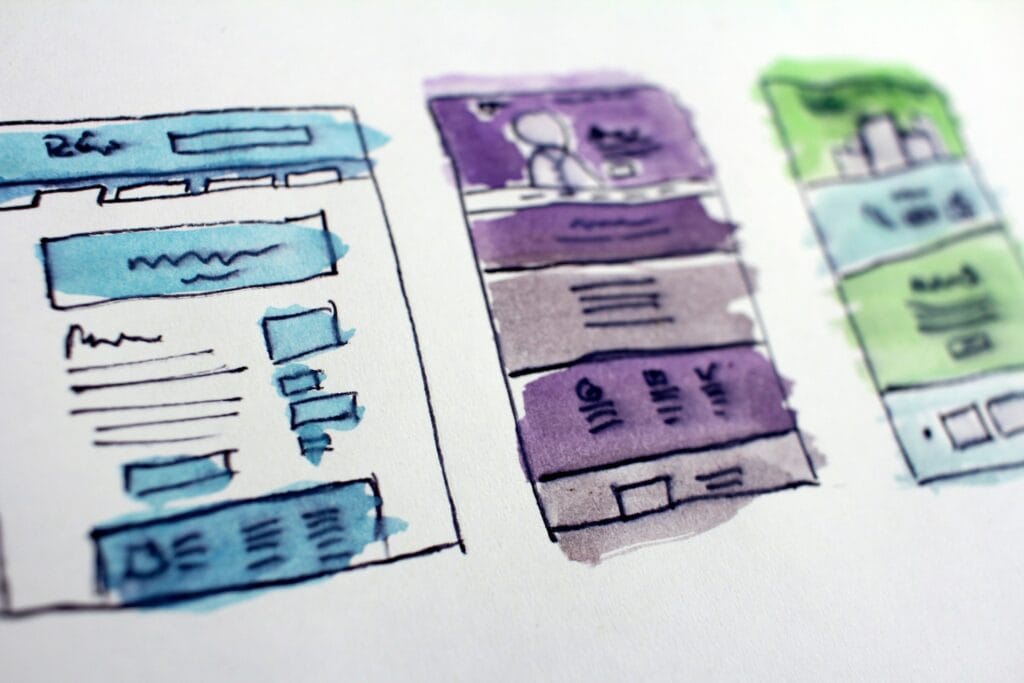
Website accessibility can sound daunting – or like something that only applies to large organisations. In reality, accessibility is about making your website easier to use for everyone, including your existing customers. And the good news? Improving accessibility doesn’t mean compromising on design.
What Does Website Accessibility Actually Mean?
Accessible websites are designed so that people of all abilities can navigate, read and interact with them. This includes users with visual impairments, motor difficulties, hearing loss, neurodiversity, or simply those browsing on a small screen or poor connection.
In practice, accessibility overlaps heavily with good usability.
Why Accessibility Matters for Small Businesses
An accessible website helps you reach more people, keeps visitors on your site for longer, and reduces frustration. It can also improve SEO, as search engines favour clear structure and readable content.
Most importantly, it shows that your business is considerate, professional and inclusive.
Simple Accessibility Improvements That Don’t Ruin Design
You don’t need to overhaul your entire website. Small, thoughtful changes make a big difference:
- Use clear colour contrast between text and background
- Choose readable fonts and sensible font sizes
- Add descriptive alt text to images
- Ensure buttons and links are easy to tap on mobile
- Use headings properly to structure content
Done well, these improvements often enhance the design rather than detract from it.
Accessible Design Is Good Design
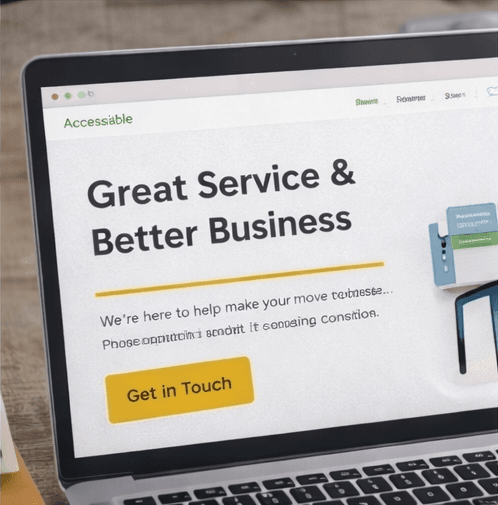
Accessibility and aesthetics are not opposites. Clean layouts, generous spacing, and clear navigation all benefit every user.
Many modern design trends – minimalism, clarity, strong typography – naturally support accessibility when applied thoughtfully.
Don’t Aim for Perfection
Accessibility is a spectrum, not a pass-or-fail test. The goal isn’t to be perfect overnight, but to make steady improvements.
If your website is clearer, easier to read and simpler to navigate than it was before, you’re moving in the right direction.
Final Thoughts
Making your website more accessible isn’t about ticking boxes – it’s about being welcoming. With a few smart choices, you can create a website that looks great, works better, and serves more people without losing your brand personality.